UNESCO heritage sites of the world.

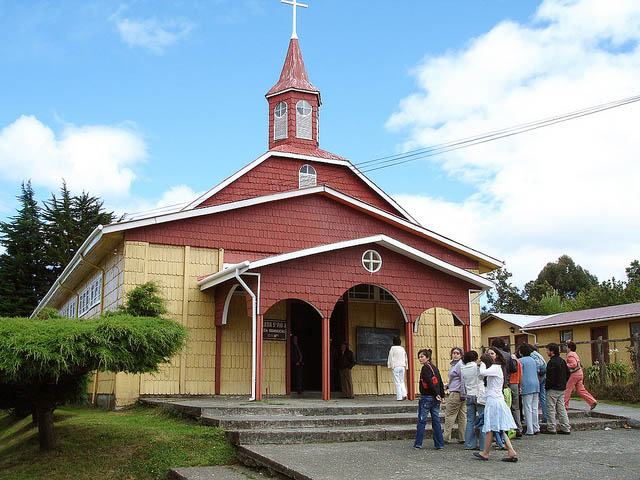
  • Churches of Chiloe

    The Churches of Chiloe represent a unique example in Latin America of an outstanding form of ecclesiastical wooden architecture. They represent a tradition initiated by the Jesuit Peripatetic Mission in the 17th and 18th centuries, continued and enriched by the Franciscans during the 19th century and still prevailing today.

  • Upper Svaneti, Georgia

    Preserved by its long isolation, the Upper Svaneti region of the Caucasus is an exceptional example of mountain scenery with medieval-type villages and tower-houses. The village of Chazhashi still has more than 200 of these very unusual houses..........

  • Lord Howe Island Group

    A remarkable example of isolated oceanic islands, born of volcanic activity more than 2,000 m under the sea, these islands boast a spectacular topography and are home to numerous endemic species, especially birds.Located in the South Pacific, 700 km north-east of Sydney, the property is included administratively in New South Wales............

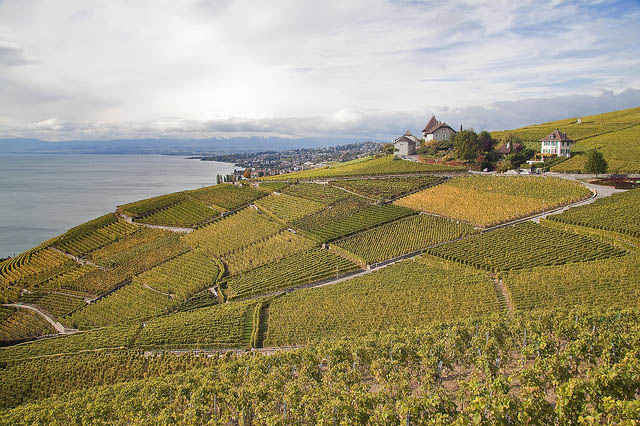
  • Lavaux, Vineyard Terraces

    The Lavaux Vineyard Terraces, stretching for about 30 km along the south-facing northern shores of Lake Geneva from the Chateau de Chillon to the eastern outskirts of Lausanne in the Vaud region, cover the lower slopes of the mountainside between the villages and the lake. Although there is some evidence that vines were grown in the area in Roman times.................

  • Stone Circles of Senegambia

    The site consists of four large groups of stone circles that represent an extraordinary concentration of over 1,000 monuments in a band 100 km wide along some 350 km of the River Gambia. The four groups, Sine Ngayène, Wanar, Wassu and Kerbatch, cover 93 stone circles and numerous tumuli, burial mounds..............

Showing posts with label North America. Show all posts

Thursday, January 12, 2012

Chichen Itza

Thursday, January 12, 2012 Your comment is first
This sacred site was one of the greatest Mayan centres of the Yucatán peninsula. Throughout its nearly 1,000-year history, different peoples have left their mark on the city. The Maya and Toltec vision of the world and the universe is revealed in their stone monuments and artistic works. The fusion of Mayan construction techniques with new elements from central Mexico make Chichen-Itza one of the most important examples of the Mayan-Toltec civilization in Yucatán. Several buildings have survived, such as the Warriors’ Temple, El Castillo and the circular observatory known as El Caracol.

image
Chichen Itza

Sunday, December 18, 2011

Dinosaur Provincial Park

Sunday, December 18, 2011 1 Comment so far
In addition to its particularly beautiful scenery, Dinosaur Provincial Park – located at the heart of the province of Alberta's badlands – contains some of the most important fossil discoveries ever made from the 'Age of Reptiles', in particular about 35 species of dinosaur, dating back some 75 million years.

Dinosaur Provincial Park contains some of the most important fossil specimens discovered from the "Age of Dinosaurs" period of Earth's history. The property is unmatched in terms of the number and variety of high quality specimens, over 60 of which represent more than 45 genera and 14 families of dinosaurs, which date back 75-77 million years. The park contains exceptional riparian habitat features as well as "badlands" of outstanding aesthetic value.

image
Dinosaur  Bones at Dinosaur Provincial Park

Saturday, December 17, 2011

Everglades National Park

Saturday, December 17, 2011 2 Comments so far
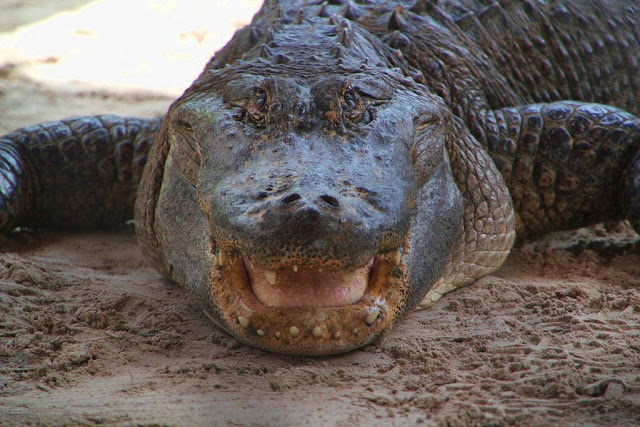
This site at the southern tip of Florida has been called 'a river of grass flowing imperceptibly from the hinterland into the sea'. The exceptional variety of its water habitats has made it a sanctuary for a large number of birds and reptiles, as well as for threatened species such as the manatee.

Everglades National Park is the largest designated sub-tropical wilderness reserve on the North American continent. Its juncture at the interface of temperate and sub-tropical America, fresh and brackish water, shallow bays and deeper coastal waters creates a complex of habitats supporting a high diversity of flora and fauna. It contains the largest mangrove ecosystem in the Western Hemisphere, the largest continuous stand of sawgrass prairie and the most significant breeding ground for wading birds in North America.

image